Reading Text: “How Anna Learned to Save Money”
What are some tricks that you use to save money?
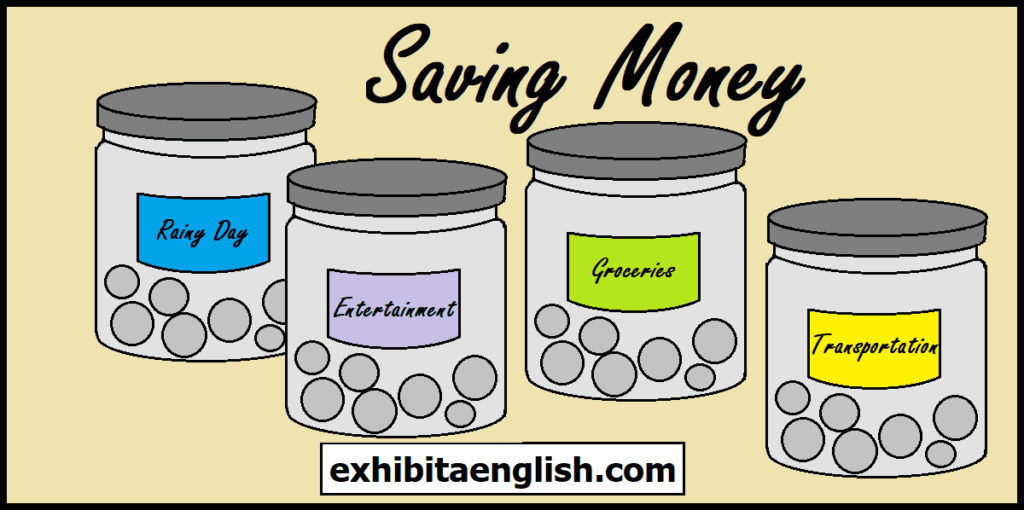
Anna is a 27-year-old teacher who used to spend a lot of money every month. She loved buying new clothes and going out with friends. She usually paid for everything with her credit card, and at the end of the month her bank account was almost empty.
One day, Anna looked at her expenses and realized she was wasting too much. She decided to make a budget and start saving. She opened a savings account and promised to deposit a little money there every week.
Now, when Anna goes shopping, she tries to pay with cash instead of her card. She says it helps her see how much she really spends. She also uses a wallet where she keeps only the money she plans to use for the day.
Last month, her friend Maria needed some money to repair her car, so Anna decided to lend her a small amount. Maria will pay back the money next week. Anna felt good because she could help a friend without feeling worried about her own finances.
At the end of each month, Anna checks her income and her bills. She is proud that she can now save around 15% of her salary. “It’s not easy,” she says, “but if I spend less today, I can travel more in the future!”
💬 Comprehension Questions
- What was Anna’s job?
- How did she usually pay for things before?
- What did she decide to do to save money?
- Why does she use cash now?
- Who did she lend money to, and why?
- How much money does she save each month now?
HOMEWORK
1.Listen to the Audio 1 again.Repeat the sentences after the speaker.Do exercise 1 ( you can see the answers).Retell what you have heard and send me a voice message.
Don’t listen to part 2.
https://english4real.com/practice/a2_l2-you-need-a-budget.html
2.Send me voice messages and sgare your opinion whether you agree or disagree ( no short answers)
10 Tips for Saving Money- AGREE OR DISAGREE?
- Pay with cash instead of a credit card.
It’s easier to see how much you really spend. - Make a monthly budget.
Write down your income and expenses so you can control your money. - Save a small amount every week.
Even $5 or $10 can grow over time. - Cook at home instead of eating out.
It’s usually cheaper and healthier. - Wait 24 hours before buying something expensive.
You might decide you don’t really need it. - Avoid buying coffee or snacks every day.
Small daily expenses are not necessary - Compare prices before you buy something.
You can often find the same product for less money. - Don’t lend money to friends if you can’t afford it.
It can be difficult if they don’t pay you back. - Put your savings in a bank account.
It’s safer than keeping cash at home.