Lesson 1 Schwa vs ɝː vs o
Understanding the differences between the sounds Schwa (ə), ɝː, and o is essential for mastering natural-sounding English pronunciation. These sounds play a key role in the rhythm, stress, and clarity of spoken English. The Schwa sound is the most common vowel sound in English, appearing in unstressed syllables. The ɝː sound is a stressed r-colored vowel that gives words their distinctive American sound. Meanwhile, the o sound is a rounded vowel often associated with stressed syllables. This lesson will guide you through how to produce these sounds, recognize them in words, and practice their use in sentences. Mastering these sounds will improve both your listening and speaking skills, making your English more fluent and natural.
Sound Schwa Explanation & Examples
The schwa sound (ə) is the most common vowel sound in English.
It is a relaxed, neutral sound made with the tongue in the middle of the mouth.
Often occurs in unstressed syllables.
Helps with natural rhythm and stress in speech.
Patterns
Found in unstressed syllables of multi-syllable words (e.g., about).
Found in function words like to, the, and of when unstressed in sentences.
Examples
about, support, sofa, pencil, moment, supply, banana, celebrate, animal, adjust, problem, parade, desert, police, ago, alone, balloon, delight, happen, cabin, desire, camera, focus, melon, butter, color, select, happen, syrup, appeal, apron, America, again
Sentences
Can you tell me about it?
This pencil is broken.
She sat on the sofa.
We need to adjust our plans.
He told me to go a minute ago.
The animal escaped from the zoo.
Did you see the parade downtown?
The police arrived just in time.
She loves to celebrate birthdays.
There was no problem with the project.
I like the bright red balloon.
The camera needs new batteries.
They want to focus on the details.
He loves melon for breakfast.
What color is the butter?
Words with Both Primary and Secondary Stress
1. Examination
BrE: /ɪɡˌzæm.ɪˈneɪ.ʃən/
AmE: /ɪɡˌzæm.əˈneɪ.ʃən/
2. Organization
BrE: /ˌɔː.ɡən.aɪˈzeɪ.ʃən/
AmE: /ˌɔːr.ɡən.əˈzeɪ.ʃən/
3. Communication
BrE: /kəˌmjuː.nɪˈkeɪ.ʃən/
AmE: /kəˌmjuː.nəˈkeɪ.ʃən/
4. Application
BrE: /ˌæp.lɪˈkeɪ.ʃən/
AmE: /ˌæp.ləˈkeɪ.ʃən/
5. Preparation
BrE: /ˌprep.əˈreɪ.ʃən/
AmE: /ˌprep.əˈreɪ.ʃən/ (no difference)
6. Transportation
BrE: /ˌtræns.pɔːˈteɪ.ʃən/
AmE: /ˌtræns.pərˈteɪ.ʃən/
7. Celebration
BrE: /ˌsel.ɪˈbreɪ.ʃən/
AmE: /ˌsel.əˈbreɪ.ʃən/
8. Accommodation
BrE: /əˌkɒm.əˈdeɪ.ʃən/
AmE: /əˌkɑː.məˈdeɪ.ʃən/
9. Investigation
BrE: /ɪnˌves.tɪˈɡeɪ.ʃən/
AmE: /ɪnˌves.təˈɡeɪ.ʃən/
10. Interpretation
BrE: /ɪnˌtɜː.prɪˈteɪ.ʃən/
AmE: /ɪnˌtɝː.prəˈteɪ.ʃən/
11. Recommend
BrE: /ˌrek.əˈmend/
AmE: /ˌrek.əˈmend/
12. Weekend
BrE: /ˌwiːkˈend/
AmE: /ˌwiːkˈend/
13. Understand
BrE: /ˌʌn.dəˈstænd/
AmE: /ˌʌn.dɚˈstænd/
14. Overcome
BrE: /ˌəʊ.vəˈkʌm/
AmE: /ˌoʊ.vɚˈkʌm/
15. Entertain
BrE: /ˌen.təˈteɪn/
AmE: /ˌen.tɚˈteɪn/
16. Controversy
BrE: /ˈkɒn.trə.vɜː.si/
AmE: /ˌkɑːn.trəˈvɝː.si/
17. Magazine
BrE: /ˌmæɡ.əˈziːn/
AmE: /ˌmæɡ.əˈziːn/
18. Afterwards
BrE: /ˈɑːf.tə.wədz/
AmE: /ˈæf.tɚ.wɚdz/
Sound ɝː Explanation & Examples
- ɝ is a stressed R-colored vowel
The ɝː sound is made by curling the tongue slightly backward or bunching it in the mouth.
Found in stressed syllables.
Often described as an “er” sound.
Examples
bird, word, turn, nurse, her, first, work, burn, third, learn, earth, early, curve, serve, firm, fur, hurt, girl, purse, stern, shirt, blur, chirp, alert, prefer, confirm, affirm, certain
Sentences
The bird is flying high.
She didn’t hear the word.
It’s your turn now.
The nurse was very kind.
This is the first time I’ve seen it.
You need to learn from your mistakes.
The earth is a beautiful planet.
We arrived early for the meeting.
Can you serve the guests?
The firm is hiring new employees.
I spilled coffee on my shirt.
He prefers tea to coffee.
The concert started early.
Be alert while driving.
This statement is not certain.
Minimal Pairs (ɝː vs. o)
firm vs. form
bird vs. bored vs. board
work vs. worry
turn vs. torn
burn vs. born
her vs. horse
first vs. frost
hurt vs. hoard
- were vs. wore
Tongue twisters
- “Start working early to earn her trust.”
- “I want you to learn more about the world.”
- “Were her early walks worth the work?”
- “It’s worth taking more walks.“
Speaking Practice
- What’s the most memorable dining experience you’ve ever had?
- Do you prefer trying new restaurants or sticking to familiar places?
- What’s your favorite cuisine to explore when eating out?
- How important is ambiance when you choose a restaurant?
- Have you ever had a funny or awkward experience while dining out?
- What’s your go-to dish when you’re trying out a new restaurant?
- How do you feel about sharing dishes when dining out?
- Have you ever had a restaurant dish that you tried to replicate at home?
Listening Practice
Eating out
- Listen to the audio and fill in the gaps
Daniel: So Hana, tell me, ____ you cook _____ ?
Hana: Yes, I always cook. I often cook ____ my roommate, and _____ always make Chinese or ________ food. How _____ you?
Daniel: Well, I don’t _____ cook that ______ cause I ____ really busy _____ the week. So, I always get something _____ the shop and eat ______ . But, during ___ weekends, I always cook during the weekends ______ I really like making ____. So ______ what I do.
Hana: ____ , do you ever _____ out?
Daniel: Only _______ , because I’m really busy during the week, and I prefer cooking during the _______ , so not really _____ . I don’t go out really often to eat. But ______ I’m tired, and I don’t ____ time ____ cook during the week, I go and eat _____ with a friend, so! How _____ you?
Christmas & New Year Discussion & Facts
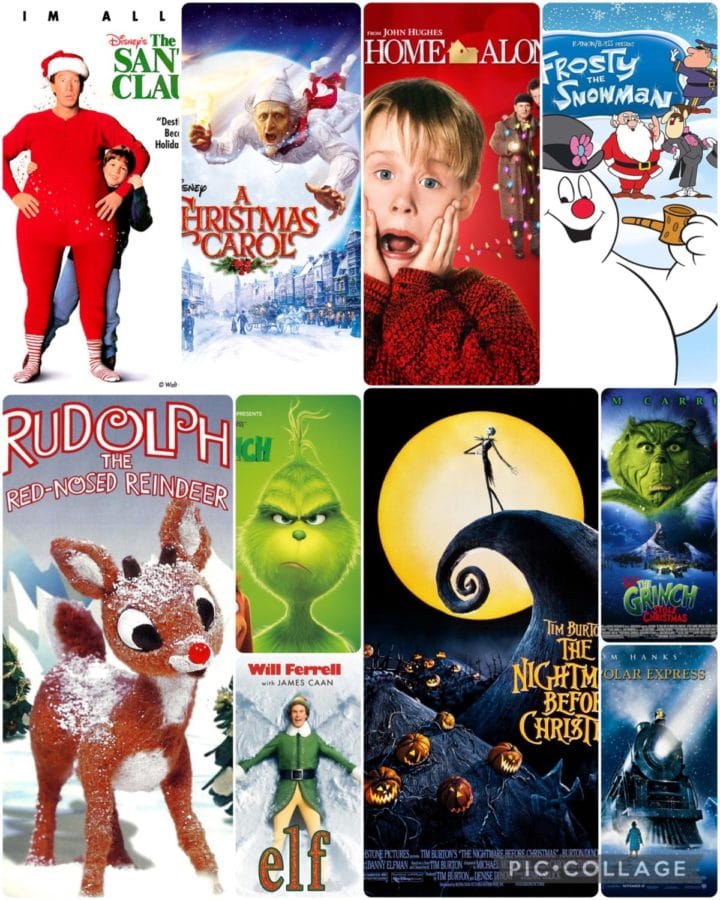
Christmas movies
Answer the questions
- What is your all-time favorite Christmas movie, and why does it stand out to you?
- How do the themes of family, love, or generosity appear in the Christmas movies you enjoy?
- Do you prefer classic Christmas films or newer ones? What makes one type better than the other for you?
- Are there any specific scenes or quotes from Christmas movies that you always remember or find meaningful?
- How do Christmas movies influence the way we celebrate the holidays?
- Are there any lesser-known Christmas movies you would recommend, and why?

How the Grinch Stole Christmas (2000)
- Jim Carrey, who played the Grinch, had to undergo intense makeup sessions that took 8 hours daily.
- The Grinch’s dog, Max, was played by a dog named Kelly who was trained to act, and he was often stealing the show.
- The Grinch’s famous red suit was custom-made and weighed about 50 pounds!
A Christmas Carol (Various versions)
- The first film adaptation of Charles Dickens’ A Christmas Carol was made in 1901.
- In some versions, the character of Scrooge was portrayed as having a softer side by showing his longing for companionship.
- The story has been remade in nearly every genre, including animation, musical, and even as The Muppets Christmas Carol!
Home Alone (1990)
- Home Alone was originally written for The Amazing Adventures of Mav & Mav but was changed into a Christmas movie after a few rewrites.
- The film made Macaulay Culkin one of the highest-paid child actors at the time, earning $110,000 for his role.
Miracle on 34th Street
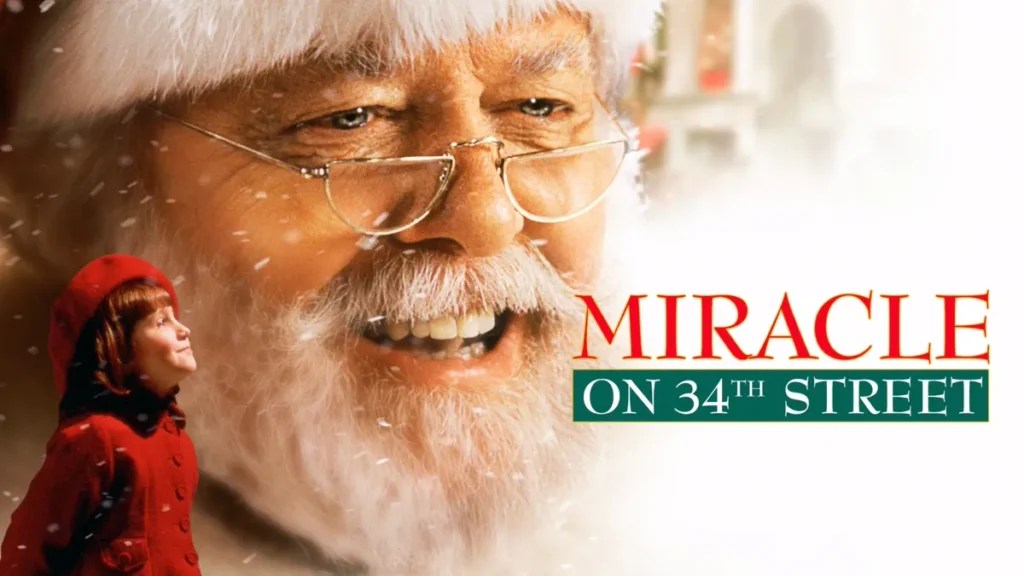
Miracle on 34th Street is a 1994 American Christmas fantasy comedy-drama film directed by Les Mayfield and produced and co-written by John Hughes. It is the first theatrical remake of the original 1947 film. Like the original, this film was released by 20th Century Fox.
Discuss the questions:
- What emotions did the trailer evoke? Why do you think it is effective in creating that mood?
- How does the character of Kris Kringle challenge the beliefs of the people around him?
- What role does faith play in the trailer? How might this theme resonate with viewers during the holiday season?
- What are your expectations for the full movie based on the trailer?

Entertainment Tonight (or simply ET) is an American first-run syndicated news broadcasting newsmagazine program that is distributed by CBS Media Ventures throughout the United States and owned by Paramount Streaming. Having premiered on September 14, 1981, it holds the Guinness World Record as the longest-running entertainment news program on television.
ET chatted with the ‘Miracle of 34th Street’ cast on the set of their remake in 1994. Mara Wilson, who was nearly 7 years old at the time, described filming the fan-favorite toy store scene with Sir Richard Attenborough, who confirmed to ET that his Santa Claus beard was real on and off screen. Mara’s co-stars all heaped praise on her performance in the role made famous by Natalie Wood, a skeptical child who eventually helps the world believe in Kris Kringle. Elizabeth Perkins and Dylan McDermott also opened up about putting a ’90s spin on 1947’s Christmas classic.
The Grinch

- What do you know about Grinch?
- Why do you think the Grinch is such a memorable and iconic character?
Behind the Scenes of How THE GRINCH Stole Christmas
We’re going behind the scenes of How THE GRINCH Stole Christmas with 10 fun facts about how this holiday classic was made.