Lesson 4: Consonants N, NG, and NK Sounds
In this lesson, we will focus on the differences between the N, NG, and NK sounds in American English. Mastering these sounds will help improve your clarity and pronunciation in everyday conversations.
Sound N Explanation & Examples
The sound N is a nasal sound produced by placing the tongue against the alveolar ridge (the area just behind your upper front teeth) and allowing the air to pass through the nose. It is common in many words and is a fundamental sound in English.
Picture of the mouth
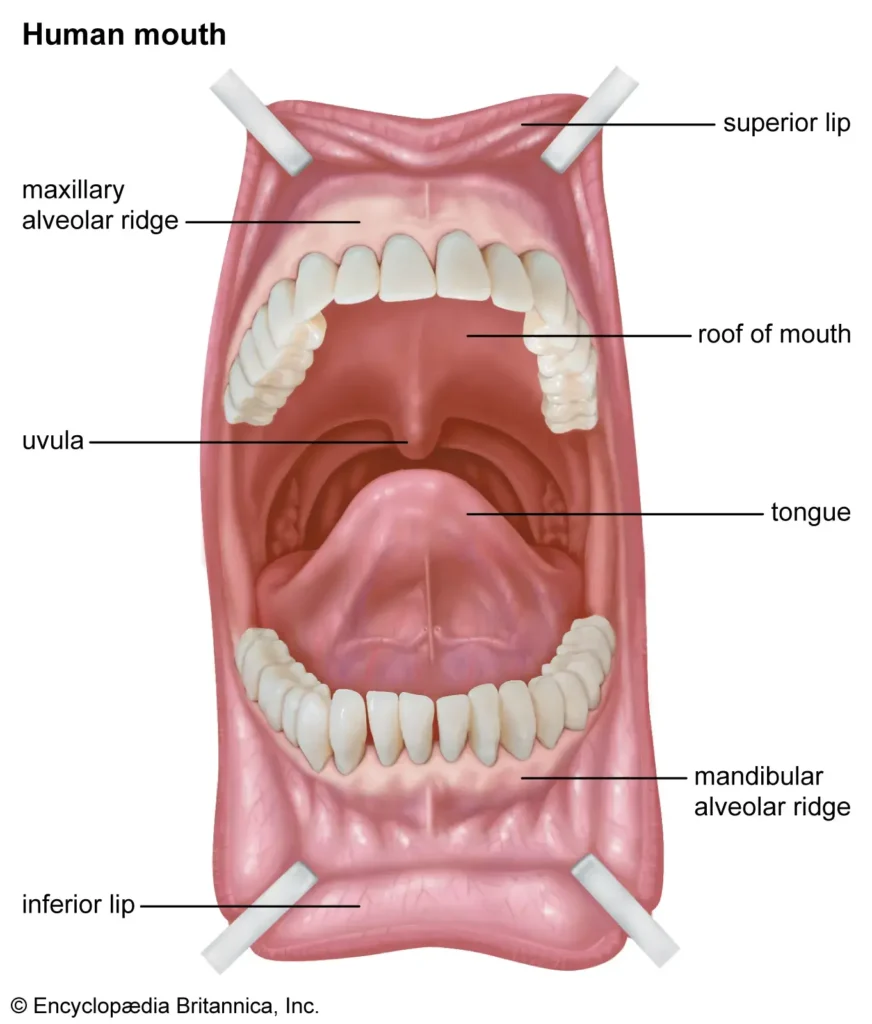
Examples of common words with N sound:
1. Name
2. Nine
3. New (UK /njuː/ US /nuː/)
4. Need
5. Never
6. Night
7. Next
8. Now
9. Number
10. Nice
11. Nose
12. Note
13. Neat
14. Nature
15. Nearby
16. Nervous
17. North
18. Necessary
19. Nation
20. Notice
Sound NG Explanation & Examples
The sound NG is also a nasal sound, produced by raising the back of the tongue to the soft palate (the back part of the roof of your mouth) and allowing the air to pass through the nose. It often occurs at the end of words. The back of the tongue is up, the tip of the tongue is down.
Picture of the mouth
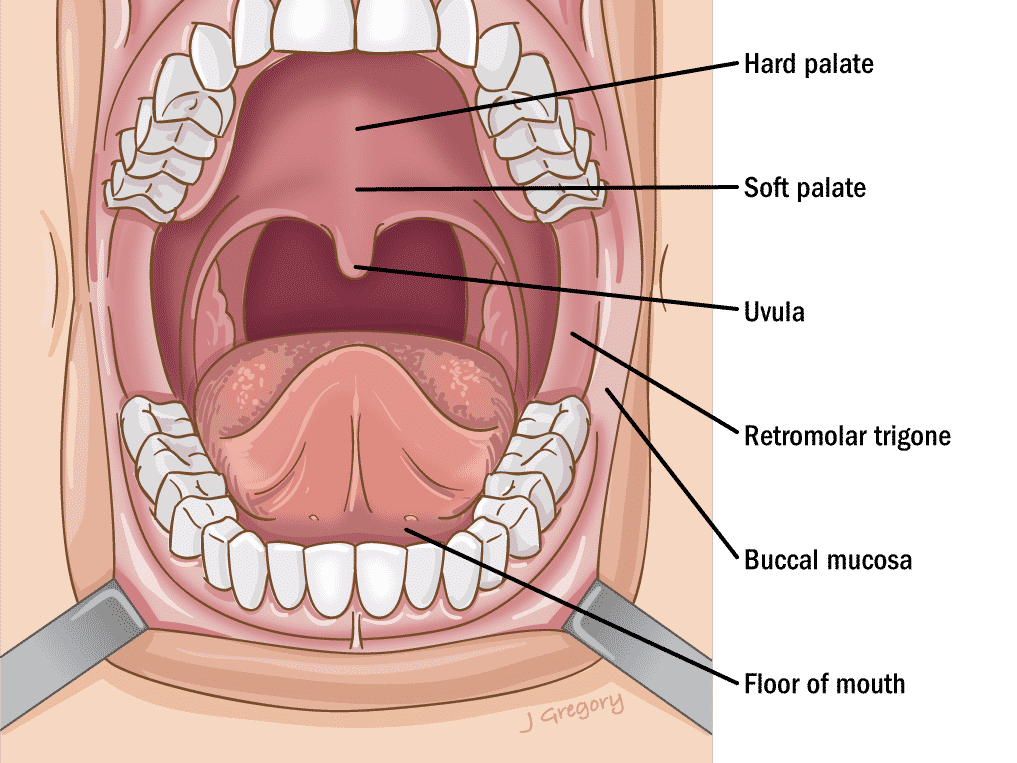
Examples of common words with NG Sound:
1. Sing
2. Long
3. Song
4. Ring
5. King
6. Bring
7. Thing
8. Strong
9. Young
10. Spring
11. Swing
12. Wing
13. Hang
14. Morning
15. Evening
16. Wrong
17. Bang
18. Among
19. Feeling
20. Knowing
Sound NK Explanation & Examples
It starts like the NG sound, with your tongue at the back of your mouth and the air flowing through your nose. But after the “NG” part, you add a quick K sound.
Examples of common words with NK Sound:
1. Thank
2. Think
3. Drink
4. Bank
5. Sink
6. Link
7. Blink
8. Ink
9. Pink
10. Blank
11. Stink
12. Trunk
Sentences showcasing different meanings of the word “trunk”:
1. Car Trunk:
– He put the groceries in the trunk of his car.
2. Tree Trunk:
– The tree trunk was so wide that it took three people to wrap their arms around it.
3. Elephant Trunk:
– The elephant used its trunk to grab the leaves from the tree.
4. Body Trunk:
– She worked on strengthening her trunk muscles during her workout.
5. Travel Trunk:
– The old travel trunk was filled with vintage clothes and photographs.
6. Telephone Trunk Line:
– The company installed a new trunk line to handle the increased call volume.
Practice Makes Perfect
N Sound practice:
1. I need a new notebook for school.
2. The night sky was clear and full of stars.
3. She is a very nice person.
4. The next number in the sequence is nine.
5. He has a keen sense of smell.
NG Sound practice:
1. The bird was singing in the morning.
2. The king wore a golden ring.
3. I love listening to my favorite song.
4. The weather is getting warmer in the spring.
5. She is feeling strong and healthy today.
NK Sound practice:
1. I need to thank you for your help.
2. The bank closes at five o’clock.
3. She drank a glass of water.
4. The sink is full of dirty dishes.
5. He tried to think of a solution.
Mixed Practice:
1. The king is known for his kindness.
2. She was thinking about buying a new dress.
3. He drank coffee in the morning.
4. The bank is next to the park.
5. The song is about a long journey.
6. He needs to find a new job.
7. The young boy was playing in the backyard.
8. The cat was blinking in the sunlight.
9. The evening was peaceful and quiet.
10. The trunk of the car was full of groceries.
11. She thanked her friend for the gift.
12. The spring flowers are blooming.
13. He noticed the long line at the bank.
14. The child was singing a happy tune.
15. The skunk has a very strong smell.
* Skunk – a small, black and white North American animal that makes a strong, unpleasant smell as a defence when it is attacked.
16. The north wind was blowing hard.
17. The pink dress looked beautiful on her.
18. He was feeling nervous about the meeting.
19. The nature trail led to a beautiful overlook.
20. The young man was very brave.
Speaking Practice
Personal Favorites:
1. What is your favorite song to sing?
2. Do you have a favorite bank to use?
3. What is your favorite thing to do on weekends?
Hobbies & Interests:
1. What do you enjoy thinking about?
2. What hobbies do you find relaxing in the evening?
3. Do you like to thank people with small gifts?
Experiences and Adventures:
1. Have you ever been on a long journey?
2. What’s the most interesting thing you’ve learned recently?
3. Have you ever visited a beautiful sand beach?
Future Aspirations:
1. What are you planning to do next year?
2. How do you think your career will progress?
3. What new skills are you hoping to bring to your job?
Thought-provoking:
1. What do you think is the most important thing in life?
2. How do you thank someone who has changed your life?
3. What do you think the future holds for our planet?
Listening practice
Inspiring Statements About Life
1. “Success is not final, failure is not fatal: It is the courage to continue that counts.” — Winston Churchill
2. “The only limit to our realization of tomorrow is our doubts of today.” — Franklin D. Roosevelt
3. “Your time is limited, don’t waste it living someone else’s life.” — Steve Jobs
4. “The future belongs to those who believe in the beauty of their dreams.” — Eleanor Roosevelt
Conclusion of Lesson 4: Mastering the American N, NG, and NK Sounds
In this lesson, we’ve explored the N, NG, and NK sounds in American English. By understanding and practicing these sounds, you will enhance your pronunciation and communication skills. Keep practicing, stay curious, and apply what you’ve learned in your daily conversations.