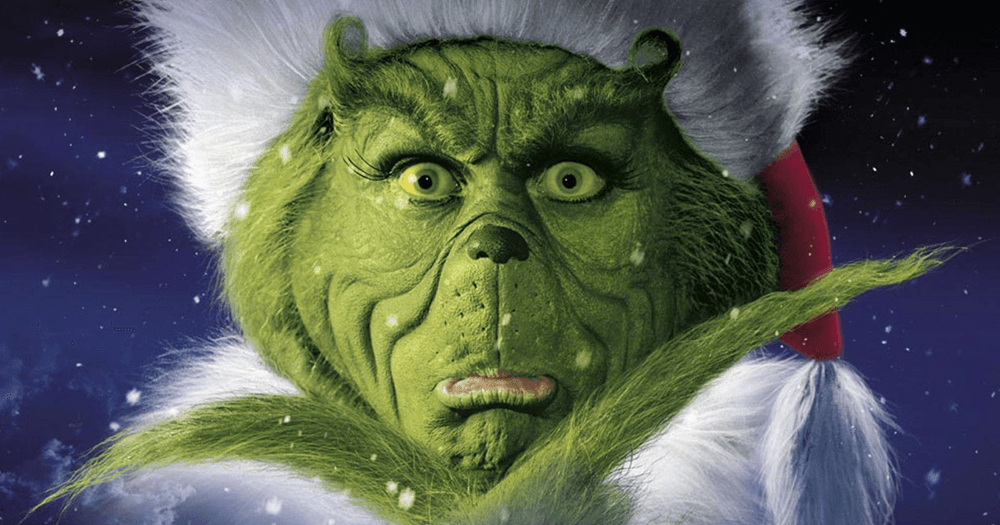
- What do you know about Grinch?
- Why do you think the Grinch is such a memorable and iconic character?
Behind the Scenes of How THE GRINCH Stole Christmas
We’re going behind the scenes of How THE GRINCH Stole Christmas with 10 fun facts about how this holiday classic was made.
How The Grinch Is Still Stealing Christmas: Rewind | E! News
The Grinch in popular culture
The Grinch has become an anti-icon of Christmas and the winter holidays, as a symbol of those who despise the holiday, much in the same nature as the earlier character of Ebenezer Scrooge. Over the years, the Grinch has appeared on various forms of memorabilia such as Christmas ornaments, plush dolls, and various clothing items.
The grumpy, anti-holiday spirit of the character has led to the everyday term “Grinch” coming to refer to a person opposed to Christmas time celebrations or to someone with a coarse, greedy attitude. In 2002, TV Guide ranked The Grinch number 5 on its “50 Greatest Cartoon Characters of All Time” list.
He also made a brief appearance on the television in Home Alone and Home Alone 2: Lost in New York.
The Grumple, from The Simpsons, is a green monster who is an obvious parody of the Grinch.
In The Fairly OddParents episode, “Merry Wishmas”, Timmy Turner, Santa Claus, and the elves watch in the television “How the Grump Stole Wishmas”, a parody of the Grinch.
In the early hours of Christmas Eve 2018, a group of climbers put a giant Santa hat on Antony Gormley’s colossal Angel of the North statue near Gateshead, north England.
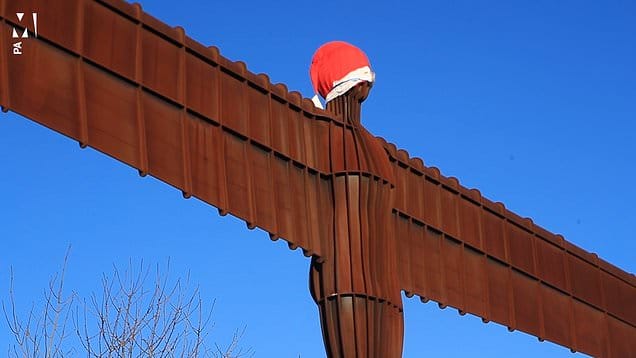
They had attempted to do this, unsuccessfully, for several Christmases. In the early hours of December 29, the pranksters returned, one of them dressed as the Grinch and the others as Santa Claus, and the Grinch “stole” Santa’s hat.
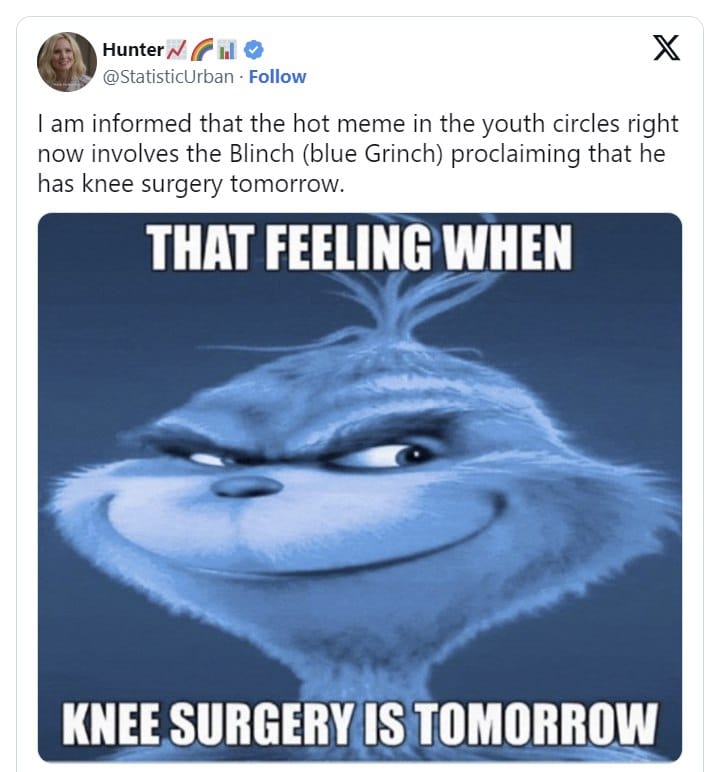
From 2021 to 2024, a popular meme depicted a blue version of the Grinch smiling, with text stating that his smile was a result of having ‘knee surgery tomorrow’.